Questions Raised on Anti-Conversion Law, Call to Protect the Constitution.
Waseem Akram Quraishi
Jaipur, Rajasthan.
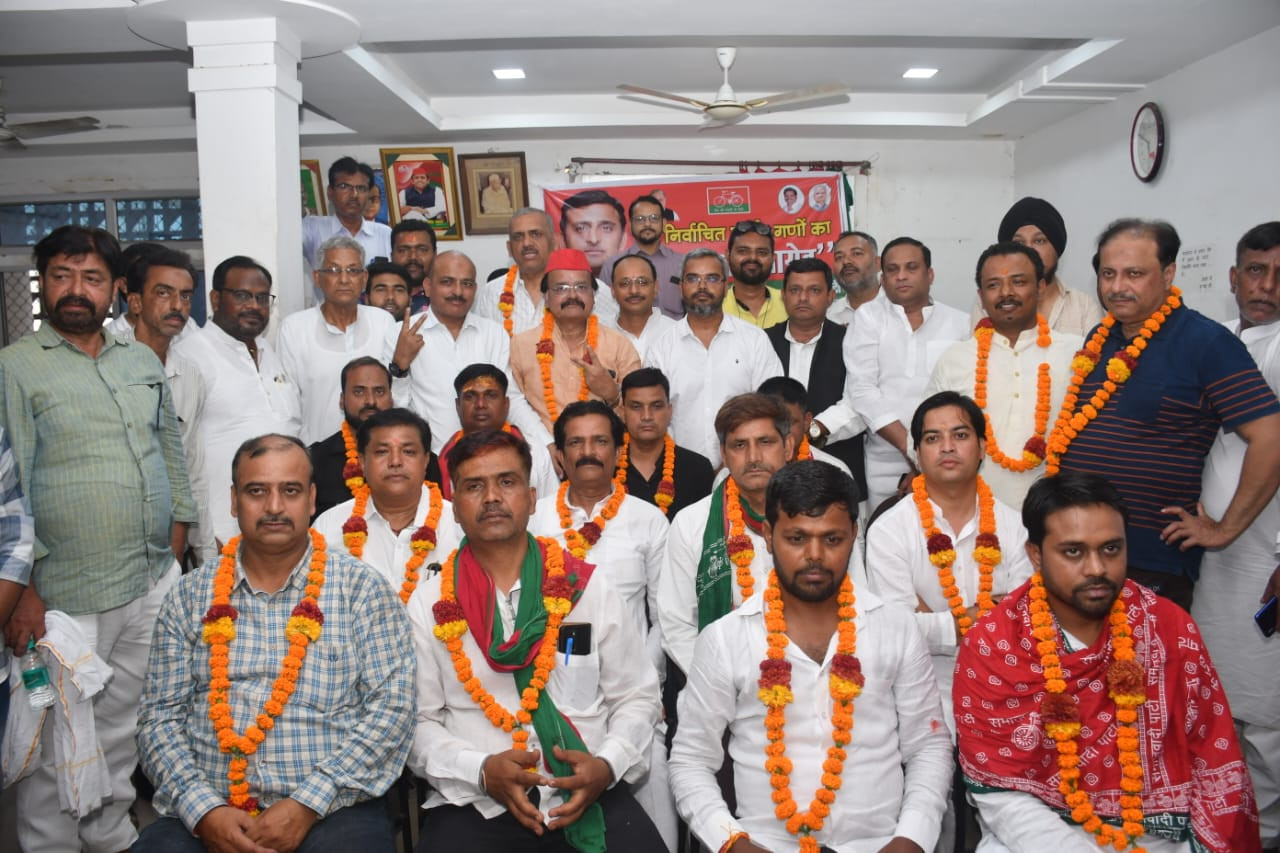
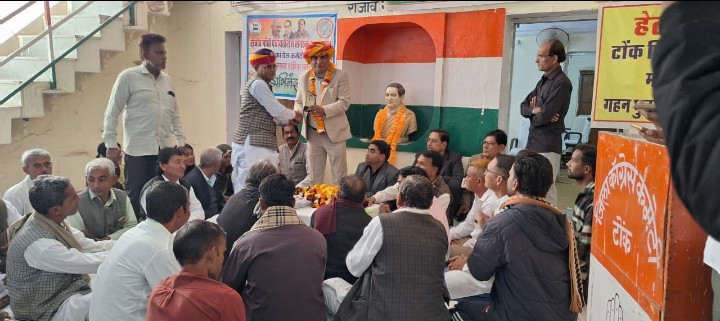
A thought-provoking and meaningful program was organized focusing on human rights, protection of the Constitution, religious freedom, the rights of tribal and Dalit communities, and the prevailing social and political situation. The program was held at the Tonk District Congress Office. The chief guest of the event was KC Ghumariya, National Coordinator of the AICC Tribal Wing and State President of the Tribal Development Council. Dr. Dashrath Kumar Hinoonia, State President of the Ambedkarite Party of India, Rood Mal Meena, Vice President of the Tribal Development Council, and social worker Pawan Khareda attended as special guests. Besides them, a large number of social activists, youth, members of Dalit and marginalized sections, representatives of the tribal community, and local citizens were present. On this occasion, KC Ghumariya stated that human rights are not merely words written on paper, but form the foundation of every citizen’s dignity, freedom, and security. He said that at a time when weaker sections of society especially tribals, Dalits, and marginalized communities are facing numerous challenges, the protection and awareness of human rights have become more important than ever. He expressed concern that steps such as the anti-conversion law in Rajasthan could adversely affect social harmony and the constitutional balance. He emphasized that society must stand united against any law or system that restricts civil rights and religious freedom. He also said that the Public Interest Litigation filed by Dr. Dashrath Hinoonia in the Supreme Court is a significant initiative for the protection of human rights and the Constitution, and that everyone stands united with him in this struggle. Addressing the gathering, Dr. Dashrath Hinoonia said that the new anti-conversion law enacted by the Rajasthan government is not only unconstitutional but also a direct attack on citizens’ freedom of conscience, thought, and religion. He stated that a Public Interest Litigation has been filed in the Supreme Court challenging this law so that its constitutional validity can be reviewed. He clarified that this struggle is not against any religion or community, but aims to protect the Constitution, secularism, and human rights.
Views Shared on Social Harmony.
During the program, Rood Mal Meena emphasized the rights of the tribal community, forest rights, and social security. Pawan Khareda highlighted the need for collective struggle in favor of human rights and social justice. Other speakers also shared their views on constitutional values, equality, freedom, and social harmony.
Resolution to Work Unitedly.
All participants unanimously stated that human rights are the birthright of every citizen. The Constitution does not accept any oppressive, divisive, or unconstitutional law. Protection of weaker sections of society and religious freedom forms the foundation of democracy. The participants pledged to work together in unity to protect human rights and constitutional values.





 Jr. Seraj Ahmad Quraishi